
440 5.0 ★ Reviews by SWFL Home & Business Owners
Local Buying Guidance for Custom Window Treatments in Captiva
The best window treatment is the one matched to the opening, exposure, view, privacy goal, room use, operating reach, interior style, and maintenance expectations—not simply the most popular product.
Captiva properties may face Gulf, bay, or preserve light, with vacation-home routines, wide glass, natural interiors, humidity, privacy, and nighttime light control requiring careful product and fabric selection.
What EV Blinds Checks Before Recommending a Product
We inspect and measure the actual windows and doors, review sun and sightlines, identify hardware and clearance constraints, compare materials in the room, and confirm control and service requirements.
When to compare another option: No single treatment is ideal for every elevation or room. Products should be combined when glare, privacy, darkness, view preservation, or door traffic create different priorities.
Ed’s Recommendation
“I often recommend more than one treatment in the same property because the glass and daily needs change from room to room. The goal is a coordinated plan, not a forced one-product package.” — Ed Torres
Frequently Asked Questions
Why Homeowners Choose EV Blinds
Call or text (239) 872-1913 or compare the complete Captiva window treatment collection.
Direct answer
Which window treatments work best for a Captiva home or vacation property?
The right treatment depends on the opening and how the property is used. Outdoor solar shades can manage covered-lanai glare when the exact exterior system suits the exposure; sheer shades soften interior light; woven woods add natural texture; shutters provide architectural slat control; opaque shades support evening light-management routines; and motorized controls can simplify tall glass and guest turnover. EV Blinds compares exposure, view, privacy, access, maintenance, and control before recommending a system.
Captiva Installation Photos


Built for Captiva Living
Waterfront Views, Canal Homes, Heat, Glare, and Privacy
Captiva homes need window treatments that handle strong sun, humidity, salt air, wide sliders, lanai exposure, privacy from canals and walkways, and afternoon glare and UV exposure. EV Blinds brings the showroom to your home and recommends products around your exact light, privacy, heat, and design goals.
Neighborhoods & Communities We Serve In Captiva
Our in-home consultation route covers Captiva’s island, beachfront, vacation-home, rental, and nearby Lee County communities.
Captiva VillageSouth SeasUpper CaptivaNorth CaptivaSafety HarborWiles DriveAndy Rosse LaneGulf DriveRoosevelt ChannelBlind PassTween WatersSunset Captiva
Captiva Product Comparison
Best Options for Sun, Sliders, Privacy, and Coastal Conditions
A quick comparison helps homeowners decide which treatment fits the room, view, and level of control they want.
Motorized Blinds
- Best for: Large sliders, tall glass, whole-home control
- Solves: Daily convenience, heat, glare, hard-to-reach windows
- Captiva benefit: Easy operation for Captiva high-exposure rooms
Blackout Roller Shades
- Best for: Bedrooms, media rooms, condos, street-facing windows
- Solves: Room darkening, privacy, glare, and sleep comfort
- Captiva benefit: Strong blackout control for Captiva bedrooms, condos, and privacy needs
Sliding Door Blinds
- Best for: Sliders, patios, lanais, large glass doors
- Solves: Wide glass coverage, glare, privacy, and daily access
- Captiva benefit: Custom coverage for oversized openings and coastal views
Plantation Shutters
- Best for: Baths, bedrooms, street-facing windows, classic interiors
- Solves: Privacy, clean lines, light control, lasting style
- Captiva benefit: Practical coverage for large openings and rental properties
Honeycomb Shades
- Best for: Rentals, sliders, large doors, budget-conscious projects
- Solves: Simple privacy, wide-door coverage, reliable operation
- Captiva benefit: Moisture-conscious durability for coastal homes
Vertical Blinds
- Best for: Bedrooms, sunrooms, west-facing rooms
- Solves: Heat transfer, privacy, soft daylight
- Captiva benefit: Honeycomb cells help improve comfort in sunny spaces
Recent Installation Photos
Real EV Blinds Installations for Captiva-Style Homes
Explore EV Blinds installations showing solutions for wide sliders, bedrooms, bathrooms, privacy, and light control in Southwest Florida homes.
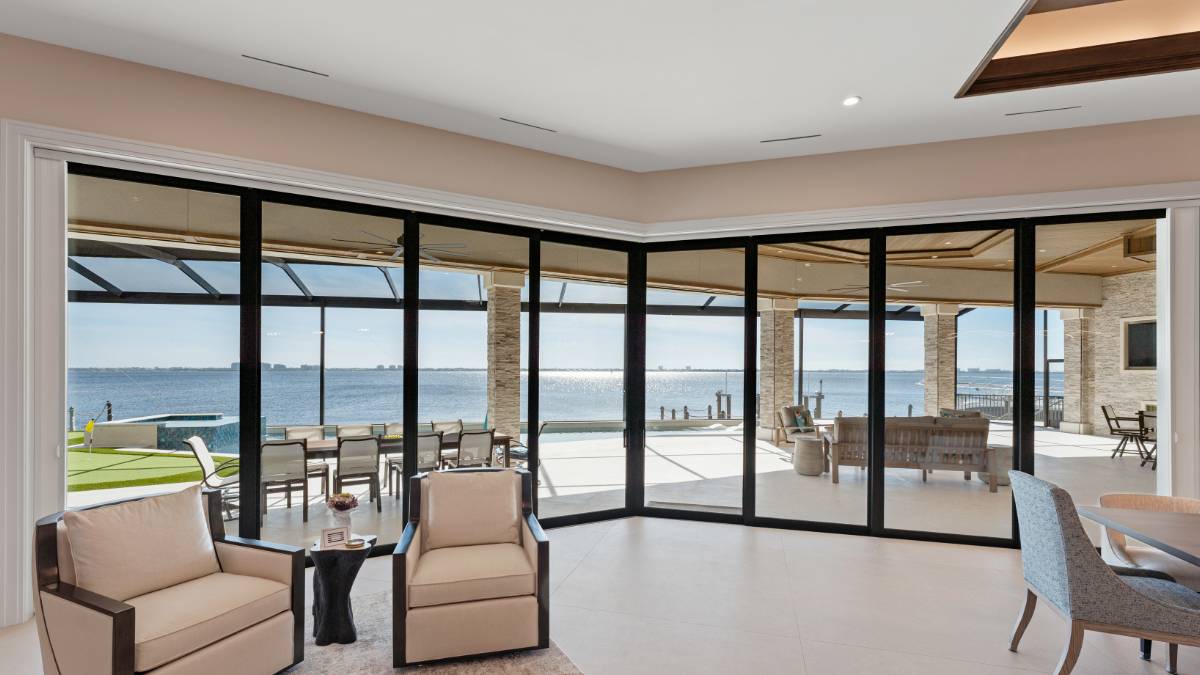
Cellular Sliders for Wide Glass
Soft daylight coverage for dining rooms, sliders, and open-plan spaces that need glare control without losing the view.
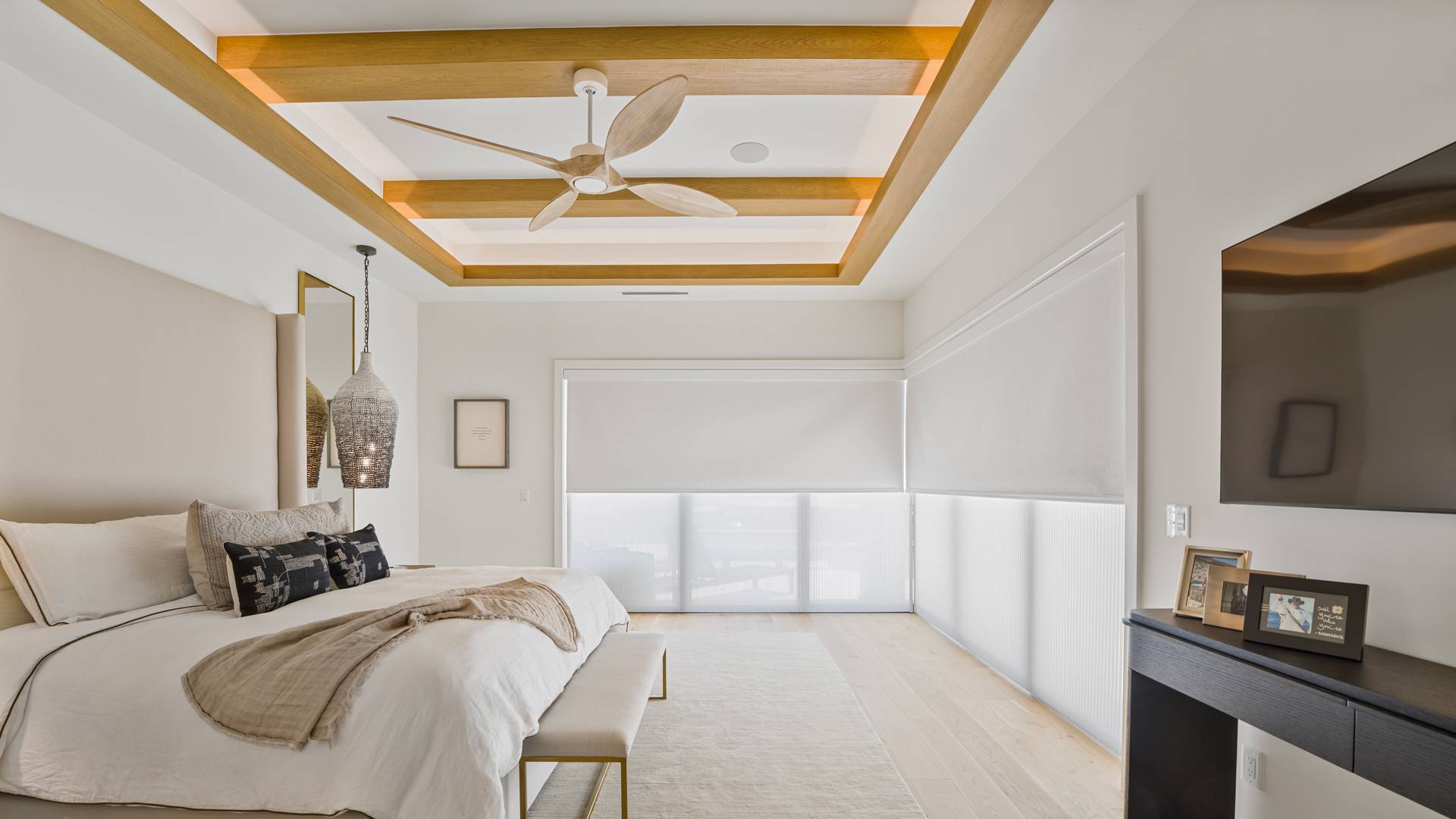
Motorized Double Shades
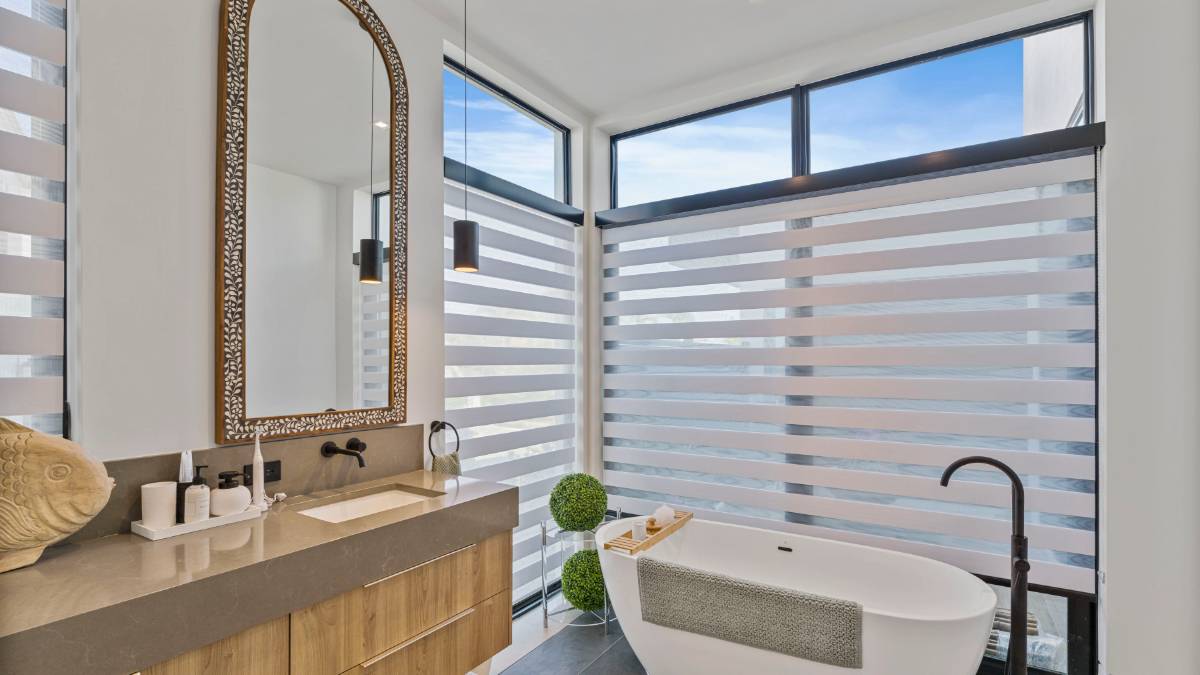
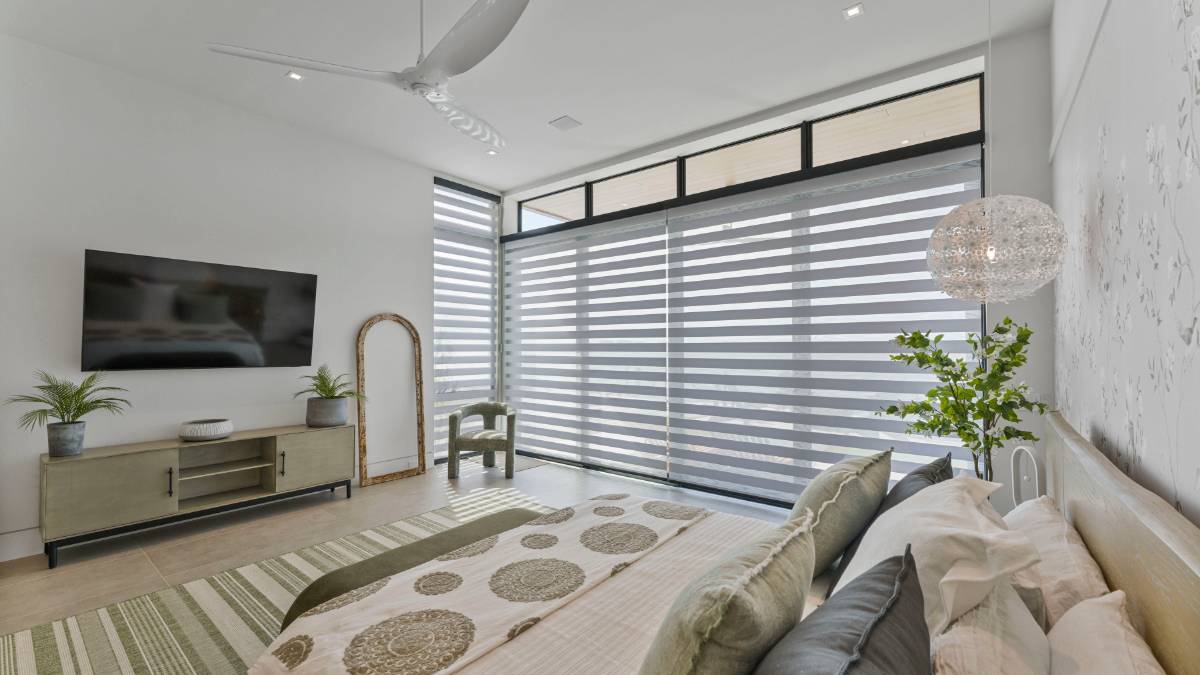
Two treatments in one clean track for bedrooms, condos, and rooms that need daytime light plus nighttime privacy.
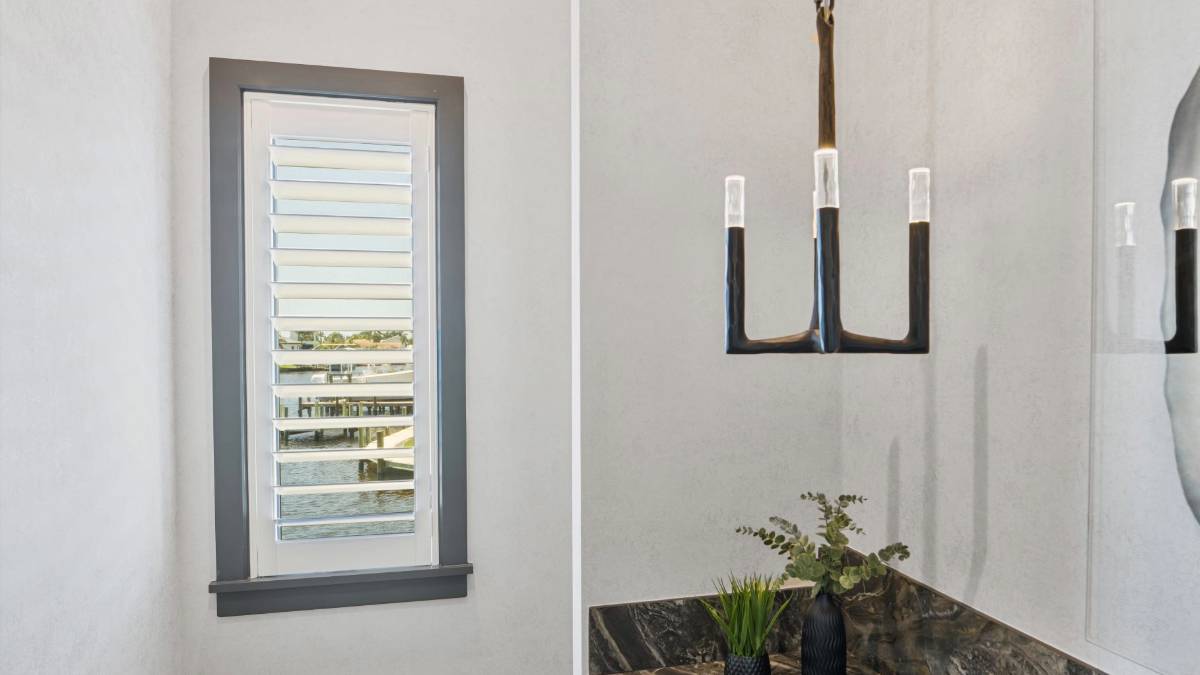
Plantation Shutters
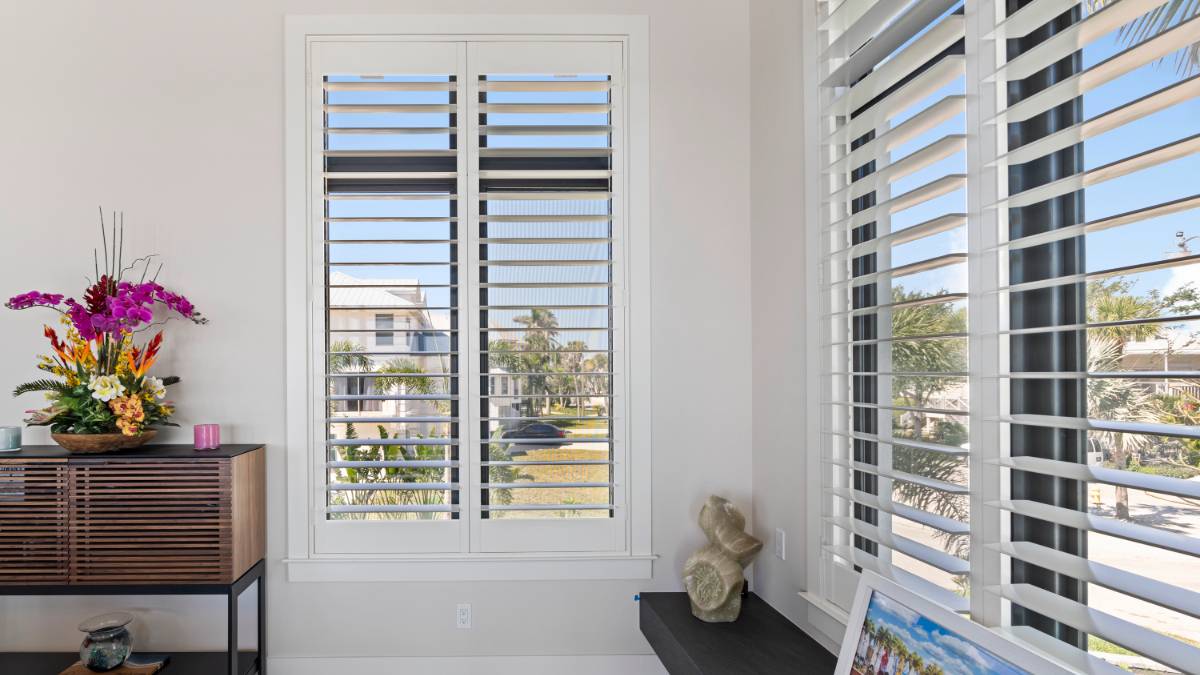
A clean option for baths, street-facing windows, coastal interiors, and rooms that need lasting privacy.
Google Review Proof
Homeowners Praise the Fit, Speed, and Service
EV Blinds publishes Google Business Profile reviews so homeowners can see real feedback about measurements, installation, product quality, and service. Review themes include fast turnaround, clean installation, large-window solutions, motorized shades, plantation shutters, and local manufacturing.
Browse by Room
Nearby Service Areas
Frequently Asked Questions – Captiva
Quick answers about custom blinds, shades, shutters, sliders, and motorized window treatments in Captiva.
Ed’s recommendation
How Ed approaches window treatments Captiva projects
“Captiva properties are often designed around the Gulf view and may be used by owners, guests, and property managers. I want the treatment to protect the room without making the glass difficult to use, and the controls have to be simple enough for the next person.”
— Ed Torres, owner of EV Blinds
Call (239) 872-1913 or book a free Captiva consultation to compare the options in your home or condo.
EV BLINDS · SOUTHWEST FLORIDA
SWFL Window Comfort Index
Local conditions. Thoughtful shade choices.
For Captiva vacation homes, easy adjustment and nighttime privacy matter alongside the view. Review material suitability room by room.
Local window guidance · Lee County, Florida
What to consider at your windows
Compare light control, insulation and easy adjustment for the direction each window faces. Review fabric samples in the room before deciding.
 Weather data provided by OpenWeather
Why Homeowners Choose EV Blinds
Window Treatments Manufactured in Southwest Florida
EV Blinds designs, manufactures and installs custom window treatments in Southwest Florida. We plan around the opening, architectural details, privacy needs and daily use. During your consultation, ask which parts of your selected system will be fabricated locally and which components are sourced.
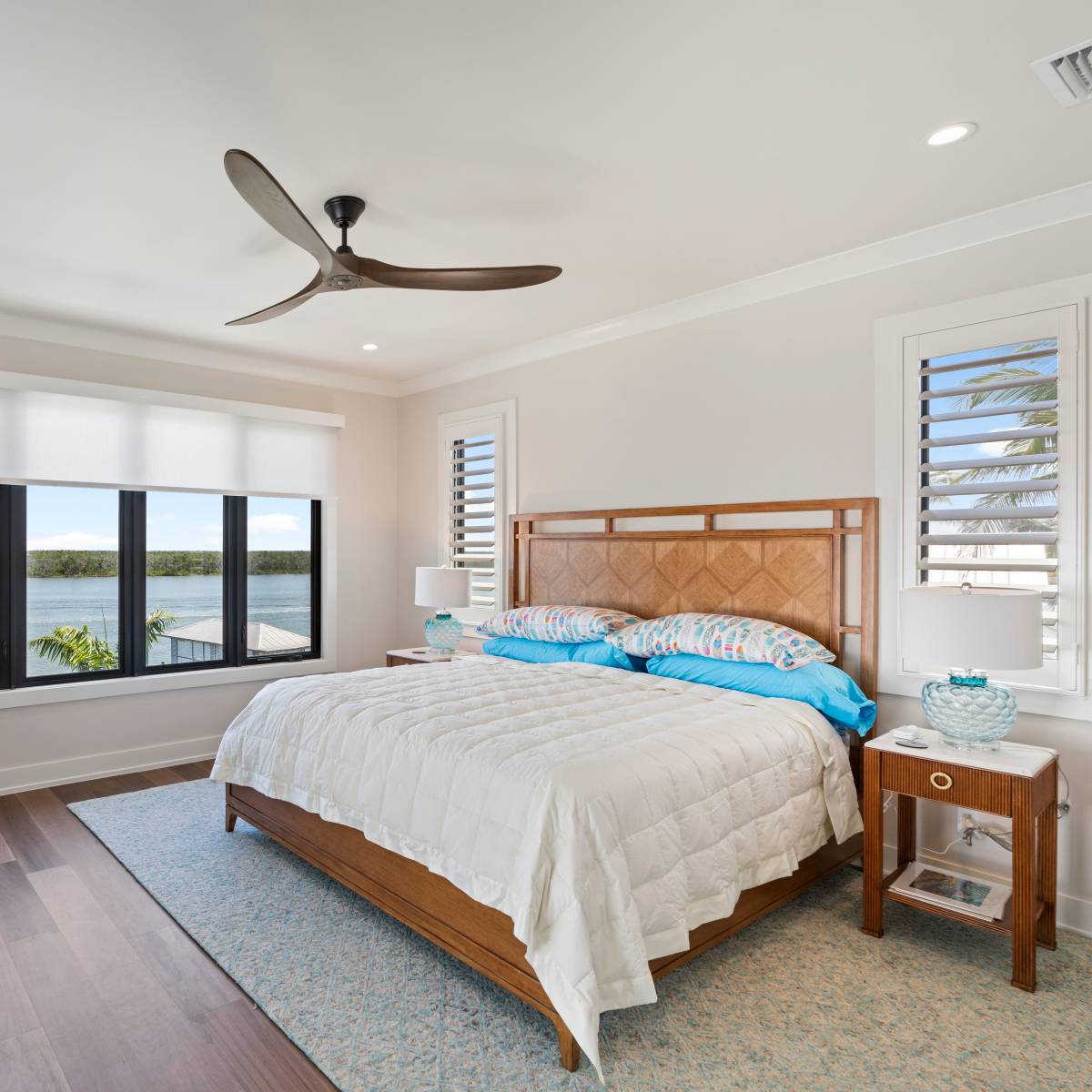
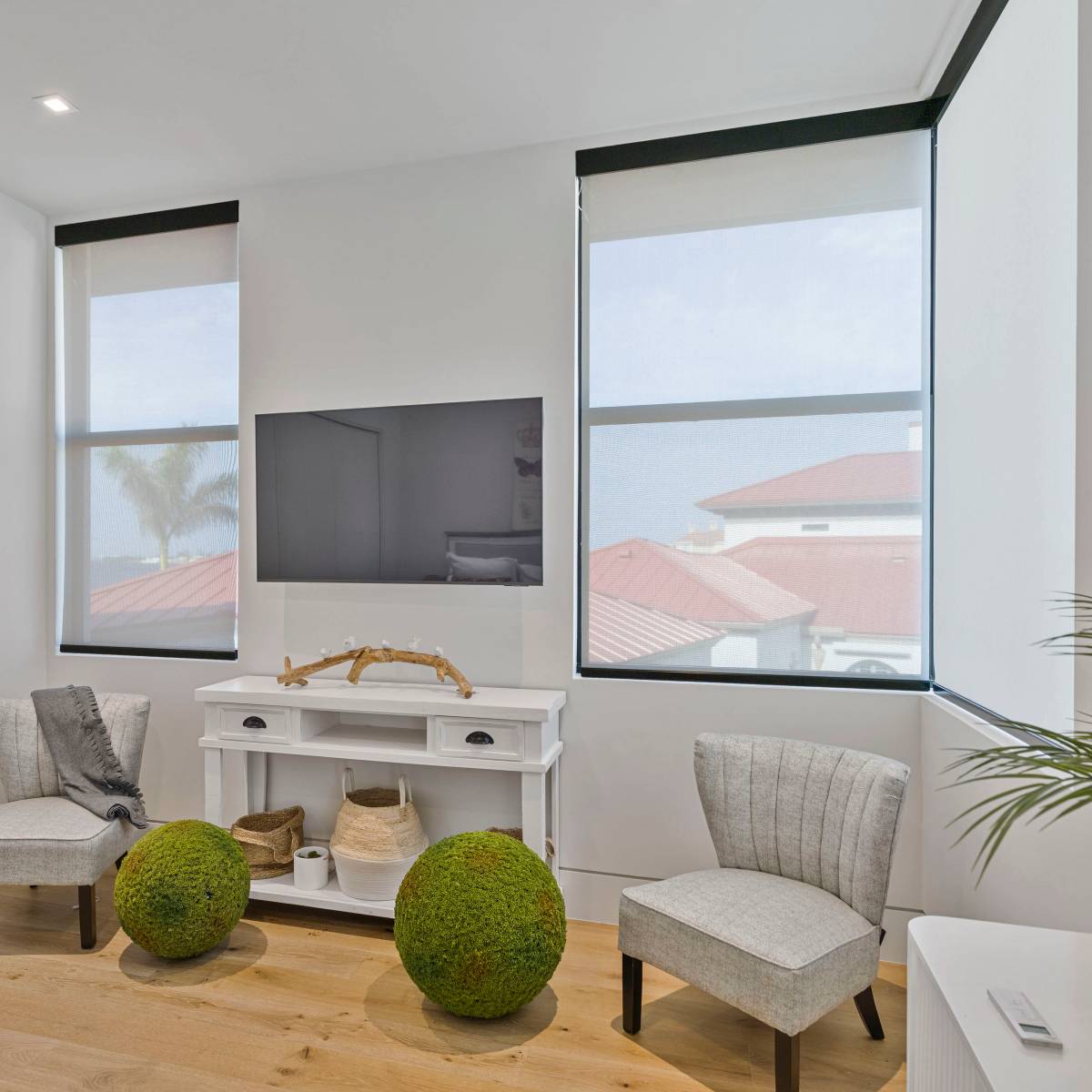
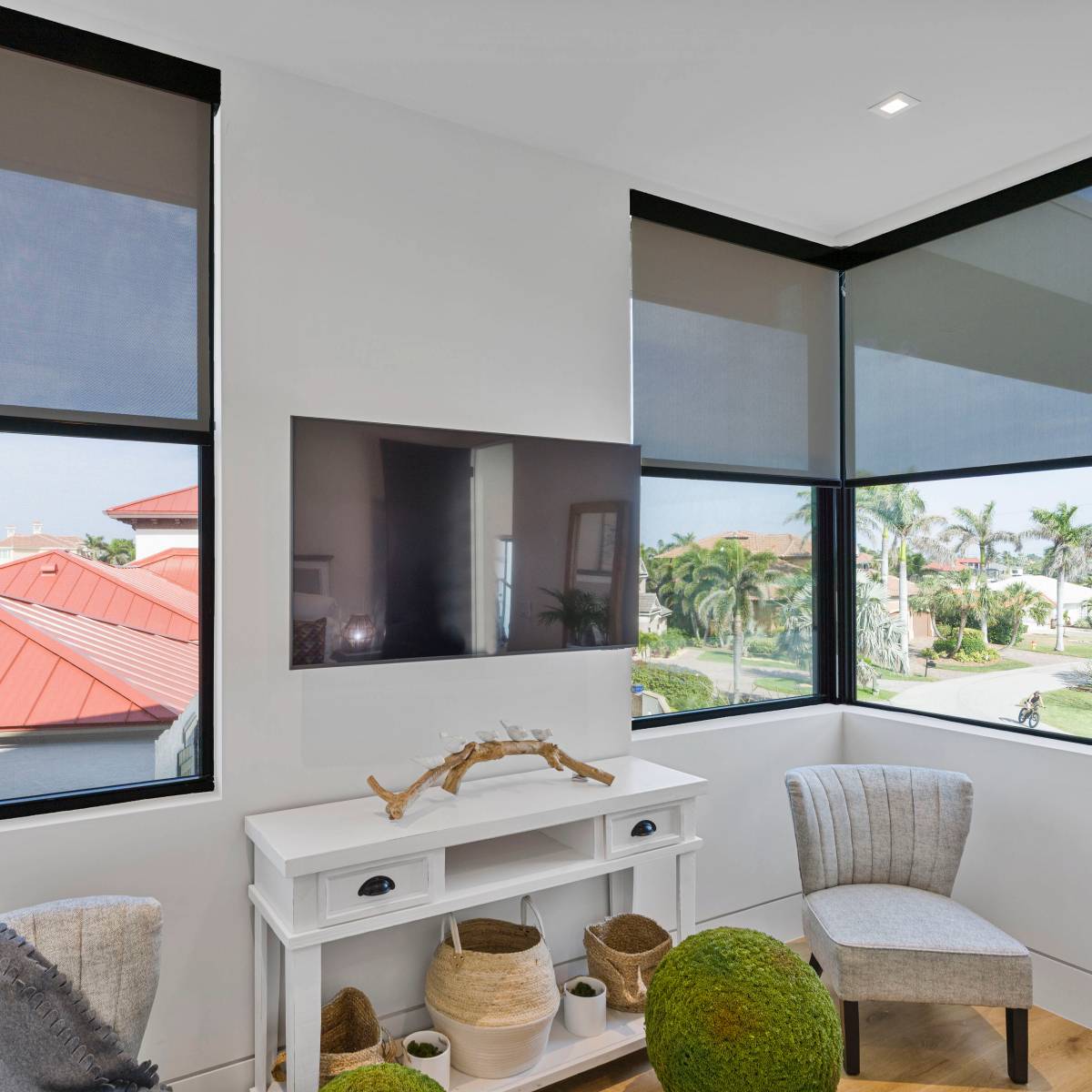
EV Blinds is open Monday through Friday from 9:00 AM to 7:00 PM and Saturday from 9:00 AM to 5:00 PM; Sunday is closed. In-home and office consultations are scheduled by appointment.
The useful next step is an in-home measure and design discussion tied to the actual windows, room use, exposure, and budget. Samples should be viewed in the home’s natural and evening light before the final material, color, controls, and mounting method are approved.
Choose EV Blinds contact and appointment information to confirm current availability before planning a showroom, home, or office consultation.
Yes. EV Blinds accepts major credit cards. Because accepted payment and financing methods can change, confirm the available options on the written proposal before authorizing fabrication.
Final cost depends on dimensions, material, controls, motorization, installation conditions, and quantity. Confirm the accepted payment methods and a written project total before authorizing fabrication.
The useful next step is an in-home measure and design discussion tied to the actual windows, room use, exposure, and budget. Samples should be viewed in the home’s natural and evening light before the final material, color, controls, and mounting method are approved.
Explore consultation and payment information, and ask EV Blinds to confirm the payment and financing choices on your project proposal.
EV Blinds serves homeowners and businesses across Southwest Florida, including Cape Coral, Fort Myers, Bonita Springs, Estero, Naples, Marco Island, Sanibel, Captiva, Punta Gorda and Port Charlotte. Our service-area guide also lists nearby communities. EV Blinds manufactures custom window treatments locally and provides measuring and professional installation; confirm current appointment availability for your exact property when scheduling.
Start with the installation address or ZIP code, rather than assuming a city name guarantees coverage for every project. Tell us whether the property is a house, condo or commercial space, approximately how many openings need treatments, and whether you are planning a new installation or asking about existing products. For a gated community or high-rise condo, mention visitor access, building work-hour rules and any required management coordination before arranging the visit.
Browse the EV Blinds service-area guide, then request coverage confirmation for your property. Include the installation location and a short description of the work so the team can confirm the appropriate next step before you make visit arrangements.
Yes. EV Blinds offers complimentary in-home or office consultations and measurements in Southwest Florida. You can compare samples, discuss privacy and light control, and receive a project-specific quote for custom blinds, shades or shutters. Pricing depends on the measured openings, materials, controls and installation scope, rather than a generic price per window.
EV Blinds measures, manufactures and professionally installs custom window treatments locally. During the visit, discuss how you use each room, when glare is strongest, and whether sliders or high windows need special access or motorization. Reviewing samples in your room’s actual light helps you choose a precision-fit solution that suits your architecture and daily routine. See our measurement and installation questions for details to discuss before ordering.
Have a rough window count, budget range and preferred installation date ready. Ask for a written proposal identifying the products, installation work and any exclusions, such as electrical work or removal of old treatments. A free estimate does not mean those services are automatically included. Book a complimentary room-by-room estimate and tell us which openings you want to prioritize.
Timing depends on the selected product, final measurements, material availability, fabrication workload and installation access. Some qualifying projects may be ready sooner, but a consultation date is not a promise of next-day installation. Tell EV Blinds your move-in, renovation or seasonal-return deadline at the start. Ask for the expected production lead time and installation appointment separately, and have the schedule confirmed after your measurements and selections are approved. If speed is the priority, ask which currently available materials and controls fit both the opening and your deadline. Keep the final fit and operating checks even when the schedule is tight.
Read the related EV Blinds guide or book a consultation for your project.
Yes. EV Blinds custom measures and builds treatments for the actual opening, including standard windows, specialty shapes, oversized glass, and large sliding doors. Because EV Blinds manufactures in Southwest Florida and develops patented, patent-pending, and other proprietary solutions, the team can take a creative, precision-driven approach when standardized products do not resolve the opening’s dimensions, corners, hardware, trim, stack position, or operating reach. The goal is a treatment that fits cleanly, complements the architecture, operates reliably, and supports the way the room is used.
Made-to-measure does not mean every material or operating system suits every opening. The design still needs product-specific checks for width, mounting depth, load, fabric behavior and access for service. EV Blinds can explain what is fabricated locally and which selected components are supplied by product partners.
See custom blind choices and bring your unusual opening to a design consultation; include photos of the corners, handles or trim that a standard treatment would miss.
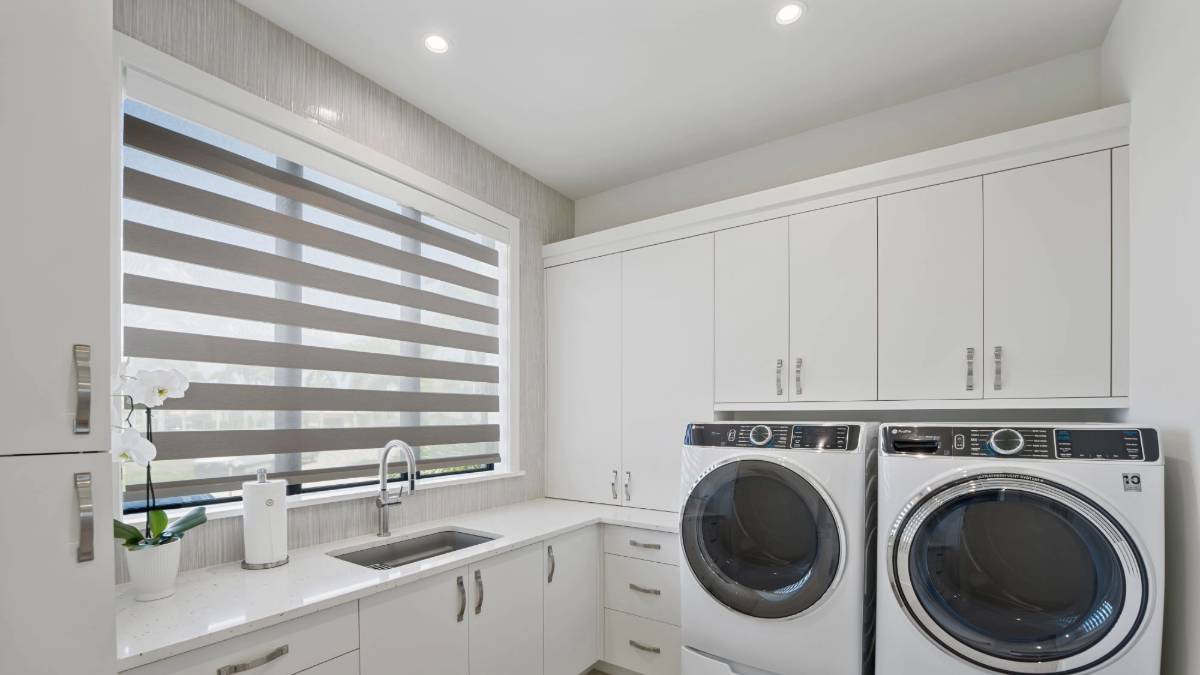
Yes, we offer zebra blinds, which are also known as dual or layered shades. These window treatments feature alternating bands of sheer and solid fabric, allowing you to adjust the amount of light and privacy.
The zebra blinds are available with customized options for:
- Opacity, color, and fabric texture
- Motorized control
- Hold-down brackets: for French doors
- Specialized solutions: for zero corner windows and tall oversized windows and sliders.
You can see information about zebra blinds by clicking this link: https://evblinds.com/blinds/zebra-blinds/
Yes. EV Blinds offers motorized options for selected blinds and shades, including roller and zebra shades. Availability depends on the product, opening dimensions, fabric or material, and operating mechanism. An existing manual blind cannot automatically be converted; its condition and compatible components must be assessed first.
For Southwest Florida homes and businesses, plan access to charging or wired power, mounting space and the way you want to use each window. Remote operation does not automatically include app, voice or smart-home control: the exact motor, hub and platform must work together. EV Blinds manufactures custom window treatments locally in Southwest Florida, allowing fit and operating requirements to be considered together without assuming every product suits every opening.
Compare motorized blinds and shade options, then book an in-home assessment of which windows to motorize.
Yes. EV Blinds offers custom plantation shutters with professional measuring and installation for homes across Southwest Florida. Plantation shutters use adjustable louvers to manage daylight and privacy, with framed panels that need enough clearance to open and operate correctly.
The right configuration depends on the window’s depth, trim, handles and surrounding space. During a consultation, compare louver sizes, frame profiles and panel arrangements against your view, privacy needs and access for cleaning. For humid rooms or strongly sun-exposed windows, ask which available material and finish suit that location rather than assuming every shutter performs the same way.
EV Blinds has served Southwest Florida since 2002. Our approach starts with the actual opening and how you use the room, so the proposed shutter fits your architectural details and everyday routine. Confirm the selected product’s specifications, care requirements and written warranty with your quote.
See our plantation shutter options, then schedule an in-home shutter frame and louver comparison to choose a configuration for your windows.
EV Blinds provides professional installation for its custom window-treatment projects in Southwest Florida. Your written proposal should confirm whether installation and the mounting parts for your selected treatments are included in the quoted price. Do not assume that every related service is included: the agreed scope and exclusions in your own proposal control the cost.
Before approving the order, confirm treatment quantities, mounting locations, operating systems and who handles any hardwired electrical connections. Ask specifically about removal and disposal of old treatments, high-access equipment, condo access requirements and repairs to existing surfaces. The in-home measure should check dimensions, mounting surfaces, handles and door clearance before local fabrication. Product warranties and installation service terms should be explained separately.
Review the measurement and installation process, then request a line-by-line installation scope review so you know what is included before approving your order.
Yes. EV Blinds aims for a clean, aligned installation that fits the opening and respects the surrounding finishes. Neat work begins before the brackets go up: measurements, mounting depth, handles and trim affect where the treatment can sit. For a Southwest Florida home with wide sliders or high glass, the plan should also account for access, visible hardware and how the shade will look when raised or drawn aside.
Before installation day, discuss furniture access, delicate surfaces, existing bracket holes and any motor wiring or charging points. Confirm whether removing old treatments, patching holes or painting is included; those tasks should not be assumed to be part of routine installation. At handover, open and close each treatment, check alignment and clearance, and ask how to use and care for the controls. Agree on cleanup expectations and raise any finish concern while the installer can see the exact area.
EV Blinds manufactures custom window treatments locally in Southwest Florida, so the fit can be planned around your architecture rather than a stock size. Read our window-treatment installation guide, then plan the finishing details for your installation. Share photos of the trim, mounting area and nearby outlets so we can discuss the details that matter in your home.
Yes, we offer motorized window treatments that are controlled by remote controls. These motorized blinds and shades are available for various types of windows and can also be operated with mobile apps and voice assistants. We offer free in-home consultations to help you select the ideal motorized options for your home.
Confirm the shade type, opening size, power source, control method, and smart-home platform before ordering. Battery and rechargeable systems reduce wiring work, while hardwired power can be preferable for large openings or frequent operation; compatibility should be verified before fabrication.
Plan motorized shades and smart controls, then schedule an in-home measure so EV Blinds can answer “Are remote controls available” for your exact openings.
Yes. Established in 2002, EV Blinds measures, manufactures and professionally installs custom window treatments here in Southwest Florida. Local fabrication lets the team plan the fit around your opening, architectural details and daily routine, including corners, oversized glass, unusual shapes and clearance conflicts. EV Blinds draws on decades of industry experience and patented, patent-pending and other proprietary solutions; the appropriate approach depends on the opening and the product selected.
Local manufacturing does not mean every component is made in the workshop. Ask which fabrication steps and components are local for your chosen treatment. Motors, controls, fabrics and other parts may come from separate manufacturers with their own written coverage. Your proposal should identify the fabrication scope, installation responsibilities and applicable product and service terms.
Learn about EV Blinds and its local manufacturing approach, then discuss what will be made for your project and how the finished treatment will fit and operate in your home.
EV Blinds provides design guidance, measurement, local manufacturing and professional installation for custom window treatments in Southwest Florida. Professionalism should be visible in the advice you receive, not just a sales promise: the team should explain why a product suits your opening, what its limitations are and what work is included before you order.
During a consultation, discuss your privacy needs, daily routine, budget and access arrangements. A year-round household may use its shades differently from a seasonal condo owner, and a tall window needs a practical plan for controls and future service. Ask who will coordinate your project, how scheduling changes will be communicated and how to request help after installation. Review the written product choices and scope, and ask for an operating demonstration at handover. Customer reviews can provide additional evidence of communication, installation care and follow-up; an individual review describes that customer’s experience, not a guarantee for every project.
Founded in 2002, EV Blinds manufactures custom window treatments here in Southwest Florida. Read EV Blinds customer experiences and learn about our window-treatment company, then discuss your project and service expectations with EV Blinds. Bring your priorities and questions so the consultation can address how the work will fit your home and lifestyle.
Yes, we are fully licensed and insured. EV Blinds’ team of professionals is safety-certified and stands behind every installation with a real, dependable guarantee.
Warranty coverage varies by product, component, motor, fabric, and cause of failure. Keep the order information and care instructions, and ask for the applicable written coverage and exclusions before purchase rather than relying on a general warranty claim.
Explore EV Blinds warranty information, then schedule an in-home measure so EV Blinds can answer “Are they insured” for your exact openings.
We provide residential and commercial window treatment services throughout Southwest Florida, serving homeowners, builders, designers, and businesses across coastal and inland communities. Our primary service areas include Cape Coral, Fort Myers, Naples, Bonita Springs, Estero, Marco Island, Port Charlotte, Punta Gorda, and Babcock Ranch. We also specialize in coastal and waterfront communities, including Sanibel Island, Captiva Island, Fort Myers Beach, Vanderbilt Beach, Bonita Bay, Port Royal, and San Carlos Island. In addition, we serve surrounding Southwest Florida neighborhoods, barrier islands, and coastal developments—bringing tailored window treatment solutions designed for Florida sun, heat, humidity, and coastal living.
The useful next step is an in-home measure and design discussion tied to the actual windows, room use, exposure, and budget. Samples should be viewed in the home’s natural and evening light before the final material, color, controls, and mounting method are approved.
Review the EV Blinds service area and provide the installation address when scheduling so coverage can be confirmed for your property.
Yes. EV Blinds designs, manufactures and installs custom window coverings in Southwest Florida, including solutions for large sliding glass doors. The starting point is not width alone: the treatment must clear the handles, follow the door’s opening pattern and leave a usable passage when retracted. In a canal-front home or a room opening onto a lanai, everyday access matters as much as privacy and glare control.
Compare side-drawing vertical blinds, panel tracks and vertical cellular systems with roller shades that lift above the doorway. A side-drawing system needs room for its stack of material; a roller layout needs overhead clearance and a practical way to uncover the active door. Several independently controlled sections can separate the walking route from fixed glass, but their gaps and alignment need review. Fabric opacity, mounting depth and the chosen hardware determine the final configuration; there is no single product or universal maximum width that suits every slider.
Our local manufacturing approach lets EV Blinds review the fit around your architecture and daily routine. Explore custom coverings for large sliding doors, then request a full-span slider assessment. Bring approximate dimensions and photos showing the open door, handles and adjacent walls; final fabrication measurements should be confirmed in person.
The best sliding glass door treatment is the one that fits the opening and supports daily passage, coverage, and the desired view. For a Marco Island room, compare suitable panel systems, vertical treatments, and roller configurations after measurement. Not every product is appropriate for every oversized slider or available with the same operating options.
Begin with the active door and traffic
Identify which panel opens, its full travel, and the route people use most often. Review handles, trim, supporting surfaces, and nearby furniture. Ask where the covering collects when open and how much useful glass or passage remains. The retracted position matters as much as the closed appearance.
Compare independently operated sections with any suitable wider configuration. Separate sections may improve access while introducing visible divisions. Discuss those lines from normal seating positions and check product dimensions. One large unit can be less convenient if the entire covering must move for every trip through the doorway.
Compare coverage with the room conditions
Describe the difficult sun hours and whether the main priority is glare, daylight, view, or privacy. Compare suitable samples in relevant light. Evening privacy requires a separate check because visibility through lighter fabrics can change after dark. Review any additional layer as part of the complete measured arrangement.
Check side gaps, mounting depth, support, and clearance. Explain humidity, direct splashes, or outdoor exposure relevant to the location and confirm complete product suitability. An indoor treatment should not automatically be used across an exposed patio opening. Request approved cleaning instructions and consider maintenance access.
Record the chosen operating plan
Explore Marco Island window treatments and arrange a consultation. If motorization is wanted, confirm the actual treatment, power, compatible controls, and service access. Have the proposal identify material, sections, mounting, raised or stacked position, and operation. Comparing those details gives the choice a practical basis tied to the actual door and household routine.
Yes. Plantation shutters can suit Captiva homes when the exact product fits the opening and is appropriate for the room’s exposure. Composite or other suitable moisture-tolerant options are worth discussing, but no broad material label guarantees resistance to every coastal condition. Review the panels, finish, hardware, and mounting as one complete system.
Check the room’s environmental conditions
Describe whether the opening is inside a conditioned room, near a shower, or exposed to air and moisture through frequently opened windows. Direct splashes and outdoor rain exposure differ from ordinary indoor humidity. Ask whether the selected shutter is intended for those conditions and request relevant care or exposure limitations.
Do not assume that a panel material’s characteristics apply equally to hinges, fasteners, or other hardware. Discuss the specified components and how they should be maintained. If condensation or persistent dampness is present, address the underlying conditions before treating a shutter as the solution. Appropriate material selection and appropriate room conditions both matter.
Review panel and louver movement
Shutters need space for louvers to tilt and panels to open. Check window handles, trim, sill depth, and nearby furniture. Ask how the frame will sit around the opening and what supporting surface is available. Precise measurements help determine whether the preferred arrangement will operate cleanly rather than merely fit within a rough width and height.
Compare the outdoor view with louvers at useful angles, as well as the appearance with panels opened. A shutter always introduces its frame and components around the glass. Discuss privacy under normal daytime and evening conditions. Avoid selecting only by a photograph without considering the actual sightlines and clearance in the room.
Confirm the specification and care plan
Explore Captiva window treatments and arrange a measured consultation. Compare finish samples beside existing trim and review the selected product’s cleaning instructions. Ask the proposal to identify material, finish, frame, panel layout, hardware, mounting, and any remaining exposure questions. Those details provide a practical basis for choosing shutters without relying on a general promise that every plantation shutter is suitable for salt air.
Yes. Suitable window treatments can help manage sunlight and contribute to comfort in Captiva homes. Solar screening and cellular shades are options to compare, but the result depends on the selected product, glazing, fit, and use. Avoid assuming that every covering produces the same heat reduction or a guaranteed decrease in cooling costs.
Assess the room during difficult sun hours
Identify which openings receive strong light and when the room becomes uncomfortable. Note direct sunlight on seating or furnishings and reflected brightness from outside. Explain whether you want to preserve a view, reduce glare, add privacy, or prioritize an insulating structure. Those goals may lead to different materials rather than one uniform selection for the whole home.
Discuss the existing glazing and any performance information available for it. Window treatments work alongside the building and cooling system. They should not be presented as a guaranteed remedy for problems unrelated to the glass. If specific energy performance is important, request information relevant to the exact product and proposed configuration.
Compare screening and coverage in practice
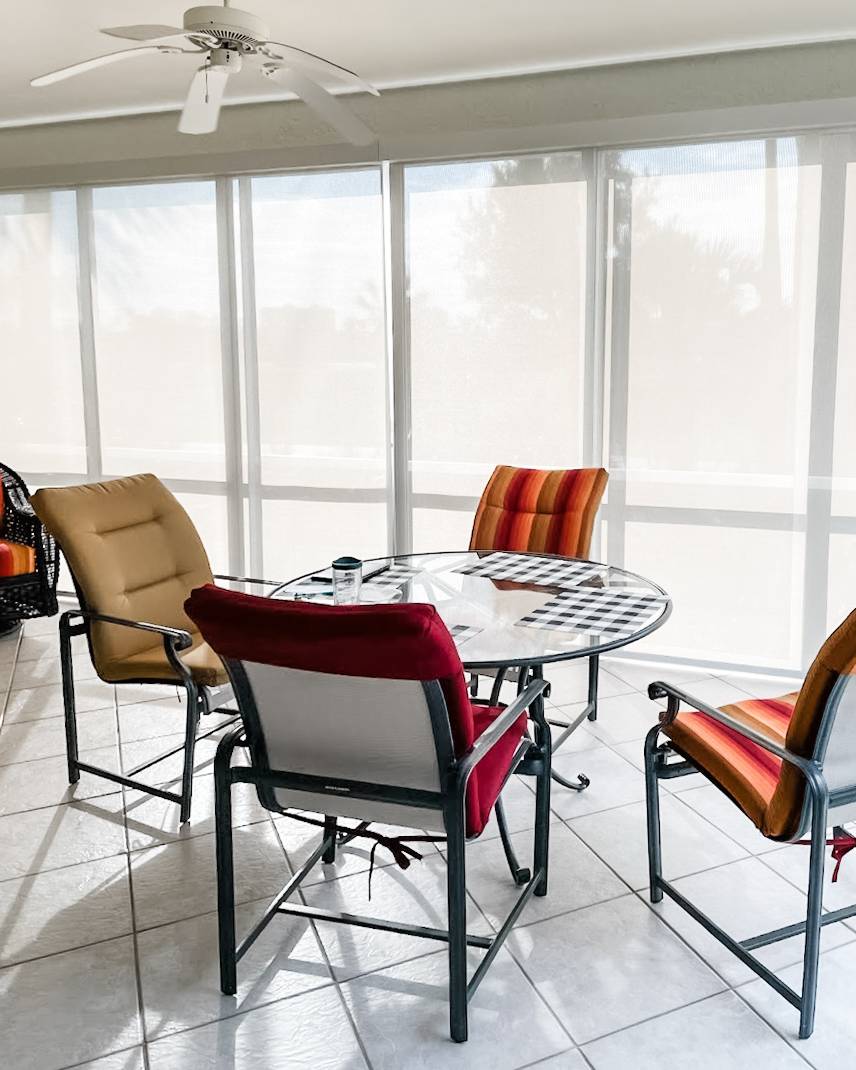
Solar fabrics can offer a filtered view while managing bright daylight. Cellular construction may be considered where insulation and privacy are priorities. Review samples in the room and compare opacity, color, and the view from normal seating positions. Evening privacy needs its own review because interior lighting changes visibility through lighter fabrics.
Check side gaps, mounting depth, supporting surfaces, and clearance around doors. Large openings may need several sections, so ask how the layout affects coverage and daily access. Describe humidity or direct exposure where relevant and confirm that the complete product is suitable for its intended location. An indoor shade should not automatically be used outdoors.
Make the comfort plan practical
Explore Captiva window treatments and arrange a measured consultation. Explain seasonal use and who will adjust or maintain the coverings. If automation is proposed, confirm power, compatible controls, and service access. Have the proposal identify materials, sections, mounting, and operation, giving the household a clear way to use the selected coverings during the hours that matter.
Yes. Motorized shades can be considered for a Captiva vacation home when a suitable product and operating system fit the openings. They may simplify adjustment of tall or frequently used windows, but remote phone control and scheduling require the appropriate compatible equipment. Do not assume those functions are included with every motorized shade.
Plan around the property’s occupants
Explain whether the home is used only by the owners, shared with family, or occupied by rental guests. Identify the person responsible for ordinary controls and the person maintaining any schedules. A straightforward local control can be useful for visitors who should not need access to the owner’s personal account.
Choose privacy coverage for each room before choosing smart features. A light-filtering fabric may serve a living area’s daylight needs while a bedroom needs fuller evening coverage. Review visibility after dark and gaps around the installed shade. Automation changes how the treatment moves; it does not change the fabric’s opacity or eliminate installation gaps.
Confirm fit, power, and supported remote functions
Check dimensions, mounting support, handles, and the raised treatment’s position. For wide sliders, discuss sections and routine passage access. Describe humidity or direct exposure where relevant and confirm the complete system’s suitability. An indoor motorized product should not automatically be extended to an exposed lanai.
Ask which power arrangements are available for the selected product and how charging or service points will be reached. If remote operation is requested, identify the required controls, interfaces, connectivity, and setup responsibilities. Discuss supported behavior after an interruption and which functions remain available locally. Avoid assuming that being away from the home removes the need for routine maintenance.
Prepare a seasonal handoff
Explore Captiva window treatments and arrange a measured consultation. Have the proposal identify material, mounting, power, controls, and confirmed functions. Keep operating and care instructions available to the responsible property contact. At handoff, review local adjustment, any agreed schedules, and maintenance access so the system remains practical during both occupied and unattended periods.
To help protect furniture from strong sunlight in Captiva, start with the windows that cast direct light onto your upholstery, flooring, or artwork. Suitable window shades can reduce UV exposure, but protection depends on the chosen fabric and how the shade covers the opening. Do not assume every zebra, roller, or light-filtering shade offers the same performance.
Map the sunlight before choosing a fabric
Notice where the sun falls during the hours when the room is brightest. Take photographs of the affected seating, tables, and floor areas, and note whether the treatment must also preserve a water or garden view. Bring those priorities to the consultation. A room that needs a softer daytime view may require a different fabric from a room where the main goal is covering exposed furnishings while the home is unoccupied.
Ask for evidence for the actual material
Request the selected fabric’s UV-performance information rather than relying on a general product label. Compare samples at the window and ask how openness and opacity affect the proposed result. A zebra shade’s alternating bands should be assessed in the positions you will actually use. If viewing through the shade is important, discuss that trade-off explicitly instead of choosing only by color.
Check coverage and daily operation
Look at the whole installation, including the sides of the opening and the area below the shade. Ask the installer to explain mounting options, clearances, and any expected light gaps. Decide who will lower the treatment during the brightest part of the day. For a seasonal home, include shade operation in the departure checklist. If motorization is being considered, confirm the particular motor, power access, and supported scheduling features before ordering.
Use a layered furniture-care plan
Window treatments should support, not replace, the care instructions for valuable furnishings. Ask your furniture or artwork supplier about placement and recommended care, and avoid promising that any shade will prevent every kind of fading. Also discuss whether the room needs separate nighttime privacy, since daytime view-through and evening coverage are different requirements.
Explore Captiva window treatments with EV Blinds to compare suitable fabrics, practical coverage, and controls for the actual windows. Bring room photographs and your priorities so the recommendation addresses the furnishings you want to protect.
Adjustable coverage and carefully selected fabrics can help balance privacy with an outdoor view in Captiva. Options to discuss include suitable top-down/bottom-up shades, solar screens, and layered treatments. None should be assumed to provide an unchanged view and complete privacy in every lighting condition. Start with the sightlines and times of day that matter in your room.
Map the view and the privacy concern
Identify where you sit, which part of the landscape you want to see, and where someone outside could look toward the interior. A nearby walkway creates a different concern from a distant neighboring building. The location of that sightline may influence whether partial coverage is useful or whether the full opening needs a different material.
Where a top-down/bottom-up configuration is available and suitable, discuss which areas of glass can remain open while other areas are covered. Check the actual product and opening rather than assuming the same arrangement works on every window. For solar fabric, compare how its openness and color affect the filtered view from your normal seating position.
Evaluate evening privacy separately
A screen that limits visibility during the day may behave differently when the interior is brightly lit after dark. Explain the evening activities in the room and ask what coverage the chosen material provides. If an opaque layer is needed, review its mounting and where it will collect when raised or drawn aside.
Consider how layers will be used together. A decorative layer may soften the room while another layer supplies privacy, but the combination needs room to operate. Check handles, trim, furniture, and access to doors. For wide openings, confirm the proposed section sizes and how individual controls will work without making daily use cumbersome.
Confirm suitability and the final arrangement
Compare Captiva window treatments during an in-home consultation. Describe humidity, direct splashes, or outdoor exposure where relevant; an interior product should not automatically be extended to a lanai. Ask the proposal to identify each material, coverage function, mounting, and operating method. Review care requirements and access as well, so the privacy arrangement remains useful after the initial design choice.
Yes. EV Blinds can review custom blinds and shades for Captiva homes, including projects involving distinctive shapes and large glass. The exact solution depends on the opening, mounting support, available products, and room requirements. Custom planning should not be interpreted as a guarantee that any treatment can follow every curve or cover any width in one section.
Define the opening and its intended coverage
Identify arches, adjoining angles, sliders, or other details that differ from a straightforward rectangular window. Ask which areas the proposed product will cover and what glass remains exposed. A shaped upper section and a lower operating section can have different arrangements. Review the intended sightlines and remaining light paths before settling on the design.
Photographs help explain the project, but final dimensions and support need to be checked on site. Review trim, handles, surrounding walls, and the space available for raised or stacked material. A covering should move through its full range without conflicting with adjacent features. For doors, identify the normal passage and how the treatment clears it.
Compare product limits with room conditions
Large openings may need several sections or a different product type from smaller windows. Ask how the proposed configuration meets the selected system’s dimensional and operating limits. Compare the layout with privacy, glare, and the view. Evening coverage needs a separate review where lighter materials are proposed.
Describe humidity, direct splashes, or outdoor exposure relevant to the location. Confirm suitability of material, finish, hardware, and controls as a complete assembly. If motorization is requested, check availability for the exact treatment, power, compatible equipment, and service access. Adding a motor does not remove size or mounting constraints.
Keep the custom decisions documented
Explore Captiva window treatments and arrange a measured consultation. Have the proposal identify covered areas, materials, colors, sections, mounting, and operation. Record preparation responsibilities and remaining feasibility questions before ordering. This provides a specific basis for the custom project while preserving the architectural priorities and practical needs established for each room.
Panel systems, suitable vertical treatments, and roller configurations are options to compare for large sliding doors in Captiva. The best arrangement depends on the measured opening and everyday traffic. Confirm exact products and available dimensions rather than assuming any covering can span the full width seamlessly or that every vertical option is motorized.
Plan movement through the opening first
Identify the active door panel and the passage used most often. Review handle projection, trim, and the treatment’s full movement. A covering needs to clear the door and collect where it does not create an unexpected obstacle. Compare the open position as carefully as the closed appearance.
For panel arrangements, discuss stack space beside the glass. For roller sections, consider whether the main passage can operate independently. Several sections may provide practical access while introducing visible divisions, so review that tradeoff from normal seating positions. The widest permitted configuration is not automatically the most convenient one.
Compare fabric and exposure requirements
Describe the hours of direct sun or reflected glare and the view you want to retain. Look at samples in relevant light. Evening privacy requires a separate review because interior illumination changes visibility through lighter material. Discuss another layer where appropriate and account for its mounting space and operation.
Check supporting surfaces, depth, product size limits, and access for cleaning. Explain humidity, direct splashes, or outdoor exposure relevant to the location. An interior slider treatment should not automatically be used across an exposed deck or lanai. Confirm suitability of the complete selected system, not only its fabric or finish.
Record operation and installation details
Explore Captiva window treatments and arrange a measured consultation. If motorization is desired, confirm availability for the treatment, power, compatible controls, and service access. Ask the proposal to identify material, sections, mounting, raised or stacked position, and operating method. That provides a specific plan for the actual sliding door while balancing access, privacy, glare, and appearance.
Selected motorized shades can be part of a smart-home setup in Captiva, but the complete combination must be checked before ordering. The shade motor, controller, any required bridge, and your chosen platform determine which functions are available. A motorized shade does not automatically include app access, voice control, or operation from outside the home.
Plan for both occupied and unoccupied periods
Start by describing how you use the property. You may want a simple remote while you are at home, scheduled adjustments during seasonal absences, or an easy way for a caretaker to operate a room. Write down these separate needs rather than asking only for a smart shade. Ask which functions work locally and which require an internet connection, account, or additional equipment.
Confirm the equipment before fabrication
Bring the name and model of your existing home-control system to the consultation. Request confirmation of the proposed motor and bridge combination, supported commands, and any setup responsibilities. For example, opening a group of shades is a different requirement from selecting an intermediate position or including shades in a larger household routine. Have the installer explain the functions included in your actual specification.
Keep power and service access practical
Power planning should consider window height, nearby cabinetry, furniture, and how maintenance will be performed when you are away. If a rechargeable system is proposed, ask how its charging connection will be reached. If wiring is proposed, clarify the electrical work and who provides it. Do not assume every opening needs the same motor or power arrangement.
Choose the fabric for the room
Automation changes operation, not the fabric’s privacy or light-control properties. Compare samples for daytime glare, evening privacy, and the view you want to preserve. Discuss coastal exposure and whether the treatment is intended for an interior or an exterior opening. Product suitability and any property-specific requirements should be resolved separately from smart-home compatibility.
Before handoff, test everyday controls, room groups, and any agreed remote-access functions. Keep instructions where guests or caretakers can find them without sharing unnecessary account access. Explore custom window treatments in Captiva and arrange an in-home assessment so EV Blinds can match the control plan to your openings and household.
Yes. EV Blinds provides free window treatment consultations on Captiva, including measurements, samples, and product recommendations. The visit connects design preferences with the actual openings and room conditions. Describe the project when requesting an appointment so the discussion can focus on the questions and choices most relevant to your home.
Prepare room priorities and access details
Identify where you need privacy, softer daylight, glare control, stronger darkening, or easier operation. Note the difficult sun hours and the normal viewing or seating positions. For sliders, explain the passage used most often. If the property is occupied seasonally, coordinate access and identify who will participate in the selection process.
Describe unusual shapes, existing coverings to retain, and relevant trim or handle clearance. Photos can introduce the scope, but field measurements and mounting support still need to be checked. Explain humidity, splashes, or outdoor exposure where relevant so an interior material is not assumed suitable for an exposed location.
Use samples to compare real room needs
Review colors and textures beside the room’s existing finishes. Compare the desired amount of daylight and view as well as appearance. Evening privacy is a separate condition from daytime filtering, so discuss how the exact material behaves with interior lights on. Ask what product information supports any specific performance claim important to the decision.
For motorized options, describe the functions wanted and review the actual treatment, power, controls, compatibility, and service access. Check where raised or stacked material will sit. A useful consultation considers how each covering will operate every day, not only how a sample looks against the wall.
Leave with a clear specification path
Explore Captiva window treatments and request a free consultation. Ask how measurements and sample selections become a written proposal. Review openings, materials, colors, mounting, operation, and installation scope before ordering. Confirm scheduling and any outstanding property requirements directly with the team. Keeping those details together helps move from an initial design discussion to a specific plan for the home.
Woven textures, white shutter finishes, and softly colored fabrics can complement a luxury coastal interior in Captiva. Use those as design directions to compare with the room rather than assuming one material suits every opening. The finished choice should balance the desired appearance with light, view, privacy, exposure, and practical operation.
Coordinate with the architecture and finishes
Review samples beside the trim, wall color, flooring, and furniture. A subtle texture may add interest without a strong pattern, while a smooth shade may sit comfortably beside more detailed finishes. Compare color in the room’s changing light. Pale materials can appear warmer or cooler than expected from a product photograph.
Consider the parts visible when the treatment is open. Frames, rails, cassettes, stacked panels, and controls affect the appearance around the glass. Ask how those details relate to adjacent openings and hardware. A coordinated palette can connect rooms even when their privacy or operating needs lead to different product choices.
Match the material to the room’s function
A living room may prioritize a filtered view, while a bedroom needs a more specific darkness or evening privacy plan. Ask what the exact material provides under relevant lighting conditions. A decorative sheer or open weave should not automatically be treated as complete privacy after dark. Review an additional layer where appropriate, including its space and operation.
Describe humidity, direct splashes, or outdoor exposure where relevant. Natural texture and a coastal appearance do not establish environmental suitability. Confirm the material, finish, hardware, and approved cleaning method for the intended location. An indoor product should not be extended to an exposed lanai without reviewing the complete system.
Review the measured design before ordering
Explore Captiva window treatments and arrange an in-home consultation. Check mounting support, depth, handle clearance, and door access. If automation is desired, confirm the exact product, power, controls, and service access. Have the proposal identify colors, textures, hardware, mounting, and operation so the coastal design reflects both the architecture and the way each room is used.
The best shade for a Captiva lanai or balcony is one that suits the opening, exposure, and way you use the space. An exterior-rated roller or screen system may be worth discussing, but no fabric alone determines the suitability of the complete installation. Begin with the seats, dining area, doorway, and view you want to keep comfortable during your usual outdoor hours.
Plan around the low sun and available space
Observe where sunlight reaches the balcony or lanai at different times. An overhead roof may leave an opening exposed to low-angle sun, while reflections can affect seating farther from the edge. Compare samples from the normal seated position and decide how much view you want through the material. Ask for the exact fabric’s performance information instead of assuming a general UV or heat-protection claim.
Check how a lowered shade changes the usable space. Keep the walking route, door handles, and access to railings or maintenance areas in mind. Decide whether several independently operated sections would be more useful than one wide covering. On a compact balcony, the location of guides, brackets, furniture, and an open shade can be as important as the fabric color.
Review the complete exterior system
Ask which components are specified for the actual exterior exposure, including fabric, hardware, fasteners, and controls. Captiva’s coastal setting makes maintenance and access important considerations; exterior-rated does not mean immune to salt, humidity, or neglect. The installer should review the supporting structure and mounting arrangement rather than assume a decorative surface is suitable.
Request the manufacturer’s operating and retraction instructions for the proposed product. Clarify what to do during changing weather and whenever the property is unattended. A sun shade should not be relied on as a wind barrier or hurricane-protection system. Any sensors or automatic features also need their own operating limits and a clear explanation of what they do.
Make seasonal care practical
Review Captiva window treatments with EV Blinds and ask how the selected shade will be cleaned, inspected, and serviced. Confirm access to guides and controls, and any charging arrangement. Leave the product information and operating instructions with whoever maintains the property so the plan remains usable between visits.
Yes. Our roller and cellular shades are hurricane-window compatible, mounted inside without interfering with emergency access.
Motorized blackout roller shades or honeycomb blinds are ideal for early sunrise conditions in east-facing Captiva homes and villas.
Faux wood blinds and cordless blackout shades are renter-friendly and durable—great for Captiva rental properties and Airbnbs.
Sheer solar shades filter bright sun while keeping views unobstructed—perfect for luxury condos and villas in Captiva.
For a humid Captiva room, compare moisture-tolerant options such as suitable faux wood blinds, composite shutters, or roller shades. The best choice depends on the specific product and where it will be installed. A material described as moisture resistant should not be assumed waterproof, corrosion proof, or suitable for outdoor exposure. Review the complete assembly rather than relying on a broad material label.
Separate normal humidity from direct exposure
Describe what happens around the opening. A living-room window near the coast differs from glass beside a shower or an exterior opening exposed to wind-driven rain. Identify direct splashes, steam, condensation, and any location where water collects. Ask whether the proposed covering is intended for those conditions and whether its product instructions contain relevant limitations.
Also consider how the room is ventilated and occupied. A seasonally closed home may have different maintenance arrangements from a regularly used bathroom. Window treatments are not a remedy for persistent moisture on glass or surrounding surfaces. If that issue is present, address its cause and discuss the installation conditions before covering the opening.
Look beyond the visible slats or fabric
Review headrails, brackets, fasteners, hinges, and operating components as well as decorative surfaces. Ask which finishes and components are specified for the intended location. Salt air may affect exposed hardware differently from the main covering, so avoid interpreting the durability of one component as a guarantee for every part.
Consider practical access for cleaning and operation. Confirm the selected product’s approved cleaning method; a damp cloth or cleaning solution suitable for one surface may be unsuitable for another. Ask how deposits should be removed, what products to avoid, and whether any routine checks are recommended. Keep those instructions with the order information.
Balance durability with light and privacy
Explore Captiva window treatments and compare suitable samples in the room. Review daylight, nighttime privacy, view, mounting depth, and handle clearance alongside environmental suitability. Ask for a proposal identifying the exact product, finish, mounting, and operating method. Confirm any unanswered exposure or care questions before ordering so the choice is based on the actual opening and the complete specified system.
EV Blinds can help compare shades for sunny Captiva rooms, including solar and cellular options where they suit the opening and room priorities. The useful question is how the exact product and installation address your comfort concern. Avoid assuming that a general heat-reducing or energy-saving description predicts a particular temperature change or reduction in cooling costs.
Identify the exposure you want to manage
Observe the room during the uncomfortable hours. Note direct sun on seating, glare on a screen, reflections, and the windows or sliders involved. Explain whether the space is mainly used in the morning, afternoon, or evening. A room with a view may need a different balance of light control and visibility from a bedroom where privacy is the priority.
Compare actual samples at the glass. Ask for the available performance information for the specific fabric, openness, color, or cellular construction being proposed. Existing glazing, coverage, mounting, and daily use all affect the result. Fabric category names alone are not evidence of a fixed energy saving, and darker or more opaque material is not automatically the right answer for every room.
Review fit and practical operation
Check the complete opening, including depth, handles, trim, edge gaps, and the position of an open treatment. For adjoining glass, decide whether sections should operate independently. Keep the route through a slider usable. Discuss nighttime privacy separately from the daytime view, especially if a screen fabric is under consideration.
Think about how shades will actually be adjusted when the sun changes. Choose reachable controls and confirm the operating options offered for the selected product. If motorization or scheduling is proposed, review the equipment, power arrangement, charging access, and setup responsibilities. Do not assume that every cellular shade supports the same controls or automation features.
Plan for occupied and seasonal use
Explore Captiva window treatments with EV Blinds and explain who will operate the shades during visits and between them. Request the care and operating instructions, including how the selected equipment is restarted or serviced if necessary. Review the specification as one part of the home’s comfort plan, with clear expectations about what the product evidence does and does not establish.
Yes. We install blackout shades that meet local sea turtle ordinances to prevent light pollution during nesting season.
For beachfront properties, reduce visible nighttime light with opaque material, close edge gaps where practical, and use warm, low-output exterior lighting. Local ordinances, association rules, and inspection requirements can change, so compliance must be confirmed for the specific property.
True room darkening depends on more than fabric. Inside-mount edge gaps, headrail light leakage, sill conditions, and wall color affect the result; outside mounting, side channels, or layered drapery may be needed when the room requires the darkest practical installation.
Captiva installations must account for salt air, humidity, strong coastal light, seasonal occupancy, and any property-specific turtle-lighting requirements.
Review blackout and room-darkening shades for “Do you offer turtle-safe blackout options for Captiva homes,” then request a site-specific light-control evaluation and confirm compliance with the applicable local authority.
You can discuss automated privacy blinds for a Captiva home when the selected treatment and control equipment support the functions you want. Begin by defining privacy at each opening, then decide how automation should help you use it. A programmed closing time does not change what can be seen through a fabric or around its edges, and an automated shade should not be treated as a security system.
Specify privacy before a schedule
Identify rooms overlooked by neighboring properties, paths, or outdoor seating areas. Compare how the proposed fabric behaves in daylight and with interior lights on after dark. Discuss expected side gaps and coverage at the top and bottom. If one material cannot provide both the daytime view and nighttime privacy you want, ask about an appropriate separate layer or alternative arrangement.
Decide whether each opening should operate alone or as part of a group. A living room with a slider may need different settings from a bedroom. Explain which routines you would use while at home, and which you want during periods away. Confirm whether schedules run locally or depend on an account, hub, network, or internet connection.
Plan for seasonal occupancy
Ask how the system behaves after a power or internet interruption and how the agreed settings are restored. Establish who will check operation between visits, update schedules if necessary, and respond to a problem. Make charging or other service access practical after furniture is installed. Request the selected equipment’s instructions rather than relying on an assumed battery life.
If guests or a property caretaker will use the shades, provide a straightforward local control and clear room labels. Review responsibility for any app accounts and who should have access. Ask how that access can be changed without losing the operating setup. Voice or remote access features need to be confirmed for the complete equipment combination before ordering.
Test the plan in the actual rooms
Compare Captiva window treatments with EV Blinds using the openings, fabrics, and routines in your brief. At handoff, test individual controls and agreed groups or schedules. Check privacy under representative lighting, review maintenance steps, and keep the product and support details available for whoever looks after the home.
Yes. We create durable outdoor shades designed for salt exposure and heat—great for Captiva’s decks, patios, and open-air kitchens.
Looking for a great deal on window treatments? You’ve come to the right place! Our best price promise means that you’ll always get the best price possible on the window treatments you need. Our best price promise guarantees you the best value for your money. We are so confident in our prices that we will match any competitor’s price on the same product. So whether you’re looking for blinds, shades, or slider coverings, come to us for the best window treatment deal.
Final cost depends on dimensions, material, controls, motorization, installation conditions, and quantity. Confirm the accepted payment methods and a written project total before authorizing fabrication.
For sliders, the treatment must clear handles, preserve the walking path, and stack where it will not block the usable glass or doorway. Panel tracks, vertical blinds, vertical cellular shades, and selected roller-shade configurations each suit different opening widths and traffic patterns.
Review window treatments for sliding glass doors, then schedule an in-home measure so EV Blinds can answer “What is meant by best price promise” for your exact openings.
Our initial consultation and quote are free with no obligation, so you can find the perfect window treatment for your home.
Looking for a new way to dress up your windows? Check out our selection of products for sliders and window treatment! With so many designs to choose from, you’re sure to find the perfect one for your home. And best of all, there’s no obligation to buy! So come on in and take a look today.
All of our window treatment products come with a warranty. We want you to be confident in your purchase and know that we stand behind our window treatment products and installation services. Our window treatments products are backed by a 5-year warranty. We are so confident in the quality and craftsmanship of our products that we are proud to offer this warranty to our customers. If you have any problems with your window treatments, please don’t hesitate to contact us for assistance. We will be happy to help you resolve the issue as quickly as possible.
Warranty coverage varies by product, component, motor, fabric, and cause of failure. Keep the order information and care instructions, and ask for the applicable written coverage and exclusions before purchase rather than relying on a general warranty claim.
Plan EV Blinds warranty information, then schedule an in-home measure so EV Blinds can answer “Do you offer a warranty for your work” for your exact openings.
We offer a promise of 100% satisfaction. Our crew will only leave once your window treatments have been correctly placed and you understand how to use them; moreover, if there is an emergency, our experienced installers will respond immediately. No emergency callout fee for our window treatments! That’s right; we don’t charge for our time when you need us most. Instead, our skilled window treatment installers are ready to assist you with any last-minute service. So whether your newly installed window treatment needs fixing or you need help with how to operate it, our team is here to help. Plus, our team of experts are always up for a challenge, so you can be confident that your window coverings, as well as you, as our client, are in excellent hands with EV Blinds Window Treatment Company.
A professional measure should confirm width, height, depth, level, obstructions, handles, trim, and the mounting surface before fabrication. The installer should also verify safe operation, alignment, fastener suitability, and any clearance needed for impact windows, doors, or emergency egress.
Explore professional measurement and installation, then schedule an in-home measure so EV Blinds can answer “Is there an emergency callout fee” for your exact openings.
Our window treatment company is completely insured, and our employees have extensive expertise in the field. , so you can be confident that you’re receiving the finest service available. We provide a wide range of window treatments, from blinds to solar shades, and we can help you choose the appropriate option for your house while also ensuring that your window coverings are expertly installed and functional. We also provide cost-free consultations during which you can ask our experts for guidance on implementing their recommendations into your house effectively. Learn more by contacting us right now!
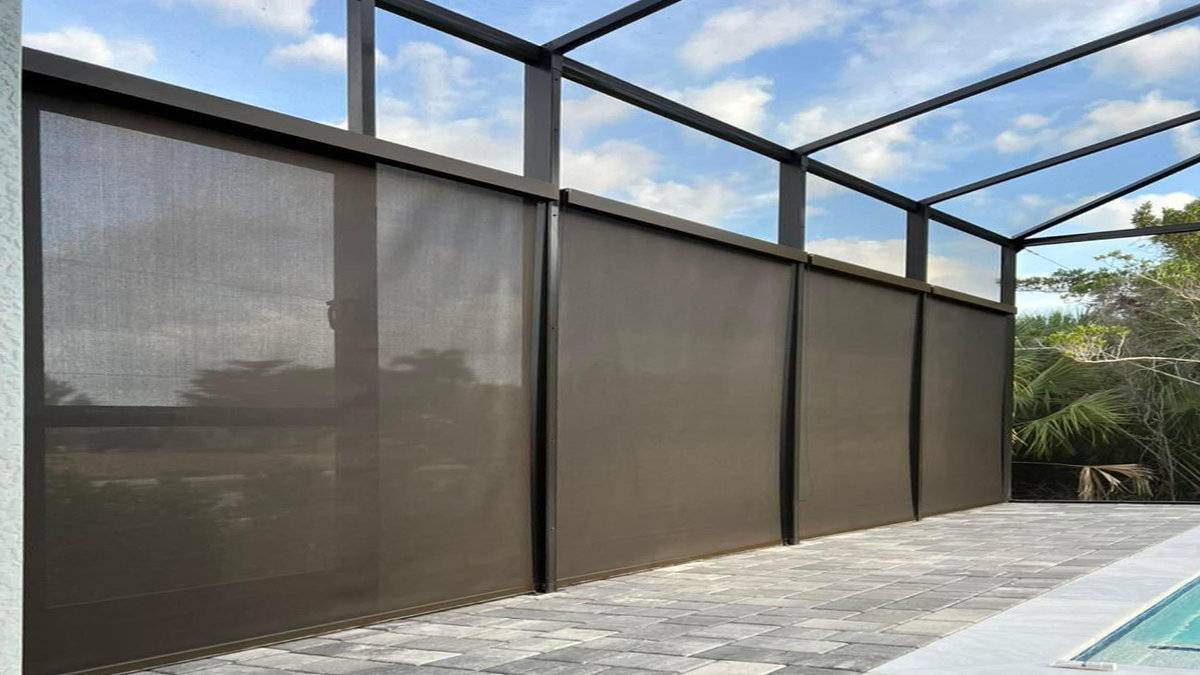
Outdoor shades require exterior-rated fabric, hardware, and fasteners selected for the opening and exposure. Wind, rain, salt air, mounting structure, drainage, and safe retraction limits matter; an exterior shade should be treated as sun and comfort control, not hurricane protection.
Confirm outdoor and solar shade options, then schedule an in-home measure so EV Blinds can answer “Are you insured” for your exact openings.
Local project support
Discuss measurements, access and installation scheduling with our Southwest Florida team. Timing depends on your project and product selection.
Project requirements
Tell us about building access, association requirements and any documentation your property manager needs before work begins.
Manufactured in SWFL
Established in 2002, EV Blinds manufactures custom window treatments here in Southwest Florida. Discuss which locally made options suit your project.
Made for your openings
We review opening dimensions, mounting space and how you want to operate your coverings before recommending a custom solution.